Indigenous Peoples’ Day

What does indigenous mean? Do you know any synonyms for this word?

Has your country ever been colonized?

Who lived there before the colonists arrived?

How many indigenous cultures can you name?

Vocabulary Preview

Self-government – n., people’s right to decide their own laws and rules

Treaties – n., agreements between two or more nations or countries 

Colony – n., a group of people who settle in a new place

Colonize – v. to settle in a colony

Enslave  – v., to force into slavery

Mistreatment – n., abuse

Participant – n., someone who takes part in something

Discrimination – n.,  the treating of some people better than others without any fair or proper reason

Artifacts – n., something or someone from or associated with an earlier time, especially when thought no longer appropriate, relevant, or important

Inhabitants – n. people who live permanently in a place

What is Indigenous Peoples’ Day? How can we celebrate it?

Indigenous Peoples’ Day is a holiday that recognizes the Indigenous peoples of the United States: American Indians, Alaska Natives, and Native Hawaiians. It celebrates the culture and history of Indigenous peoples. It also recognizes their right to self-government and commits to honoring the treaties the U.S. government signed with Indigenous nations.

Indigenous Peoples’ Day is celebrated on the second Monday of October—the same day as Columbus Day. Many people want to replace Columbus Day with Indigenous Peoples’ Day. They think that Christopher Columbus should not be honored with a holiday. The arrival of Columbus and the Europeans who followed him resulted in the enslavement, mistreatment, and deaths of thousands of Indigenous peoples in the Western Hemisphere.

In 1977, participants at a United Nations meeting suggested that Indigenous Peoples’ Day replace Columbus Day. The meeting was the International Conference on Discrimination Against Indigenous Populations in the Americas. In 2021, Joe Biden became the first U.S. president to recognize the holiday. Other countries have similar holidays. For example, in Canada, National Indigenous Peoples’ Day takes place on June 21.

An interesting way to observe this holiday would be to learn which peoples lived in your geographic area, and what their cultures were like.  For example, New York City was mostly the Lenape, Mohican, and Canarsie Nations. Find out what their customs were, and what foods they ate. Perhaps you could explore some preserved sites.

Source: https://native-land.ca/

Another interesting way to note Indigenous Peoples’ Day would be to visit the National Museum of the American Indian. The museum cares for one of the world’s largest collections of Native artifacts, including objects and photographs covering the entire Western Hemisphere, from the Arctic Circle to Tierra del Fuego. There is also the Mili Kàpi cafe, serving refreshments featuring ingredients found in Native American foods. Mili Kàpi means “give me some coffee” in the Native language of the Lenape people, the original inhabitants of New York City.

The Museum is free and is open daily 10 am – 5 pm, except for December 25th.

Getting Here

The museum is located in the historic Alexander Hamilton US Custom House at One Bowling Green in lower Manhattan. The museum entrance is on the south side of Bowling Green, adjacent to the northeast corner of Battery Park.

Subway

4 & 5 trains to Bowling Green
1 train to Rector Street or South Ferry
R (& W on weekdays) trains to Whitehall Street
J & Z trains to Broad Street
2 & 3 trains to Wall Street

Bus

M5, M15, M20

Visit NYC MTA for maps and service updates for subways and buses.
Link to Google Maps to Museum of the American Indian

There are also fascinating exhibits from the Museum online at:
https://americanindian.si.edu/explore/exhibitions/online


Muisca clay head, Colombia, AD 1200 – 1600, clay and paint.

Share this:

September 8 is International Literacy Day

Today is International Literacy Day (ILD)! This special day started in 1967 to remind the public around the world about the importance of literacy and education as a human right. Promoting literacy means helping adults and young people unlock opportunities to a better future. ILD reminds us about the work we need to do for a more sustainable1 and equitable2 society.

UNESCO Video about International Literacy Day 2023

International Literacy Day (ILD) is an opportunity to honor those are dedicated to making literacy a reality for the many.

Read More »
Share this:

Labor Day

Watch the video without subtitles and listen to it to fill in the blanks. Check the answers by clicking “READ MORE.”

Hi kSmart Kids! Today we will be 1)________ about Labor Day! Labor Day is 2)__________ on the first Monday in September! This holiday is celebrated in the United States and has 3)____ a holiday for more than 100 years! But why do we 4)_________ Labor Day? Labor Day 5)__________ all American workers and how their hard work has 6)______ the country! In 1882, many American people 7)______ very long hours in unsafe places and were not 8)____ much money for their jobs. But In New York City, the American people 9)____ together to speak out against these bad conditions and low pay! The workers 10)____ a day off work and then celebrated with their families with a picnic! 12 years later Labor Day 11)______ a national holiday! To celebrate Labor Day, think of all the many people who 12)____ hard in our community! Such as Teachers! Nurses! Chefs! and Scientists! If you 13)___ them, don’t 14)______ to 15)_____ them for all their hard work!

Read More »
Share this:

April is Arab American Heritage Month

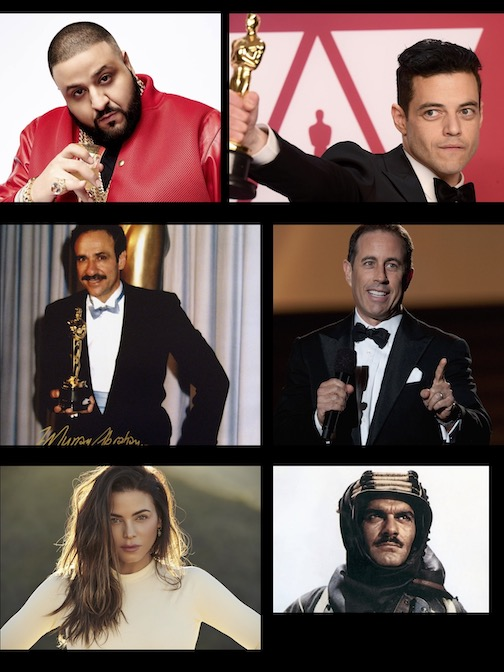
From actors like Rami Malek and Tony Shalhoub, musicians such as French Montana and Shakira, to politicians such as George Kaseem and James Abourezk, Arabic Americans have contributed to the fabric (1) of American history and culture. 

Arab America and the Arab America Foundation launched the National Arab American Heritage Month initiative in 2017, with just a handful (2) of states participating.

In 2022, Congress, the U.S. Department of State, and 45 state governors issued proclamations commemorating the initiative.

Check out the video below to learn more about Arab American Heritage Month, why it’s so important, and how we can all be better Americans by learning about each other’s heritage!

Phrases: 

1. The fabric of (something) –   the basic structure of (something)

2. Just a handful- only a small amount

References: National Arab American Heritage Month – Arab America Foundation %

List of Arab and Middle Eastern Americans in the United States Congress – Wikipedia

Share this:

St. Patrick’s Day!

It’s almost St. Patrick’s Day in NYC!

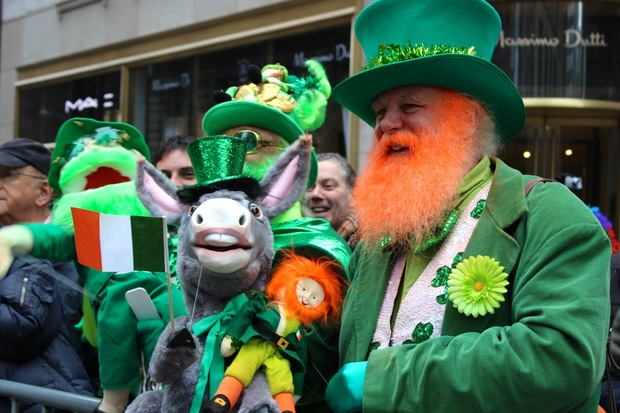
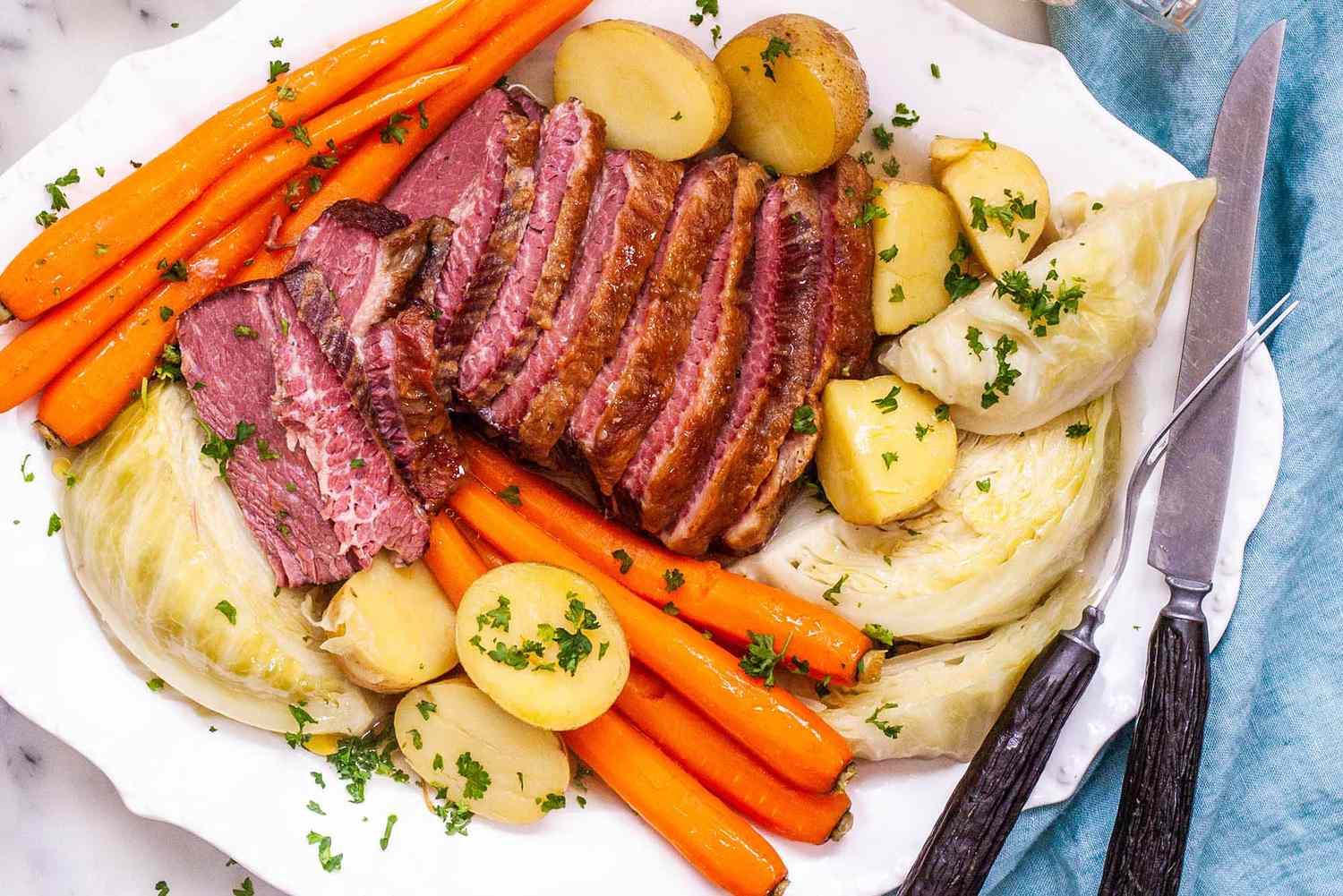
Originally, St. Patrick’s Day began in Ireland as a Catholic holiday, but over the years it has grown into a festival of Irish culture. A week-long celebration of Irish music, theater, and visual arts takes place in many regions of Ireland. Family get-togethers are also important, as people sit down for a special meal. The feast of corned beef and cabbage, though, is an American tradition; in Ireland one is more likely to find bacon or a savory roast chicken on the table. 

Although the St. Patrick’s Day Parade has become a part of celebrations in Ireland these days, it’s the result of an American influence, where the tradition was created by homesick Irish immigrants. More recently, St. Patrick’s Day has become a highly marketable and promoted event in Ireland, resulting in an attractive draw for tourists visiting the country.

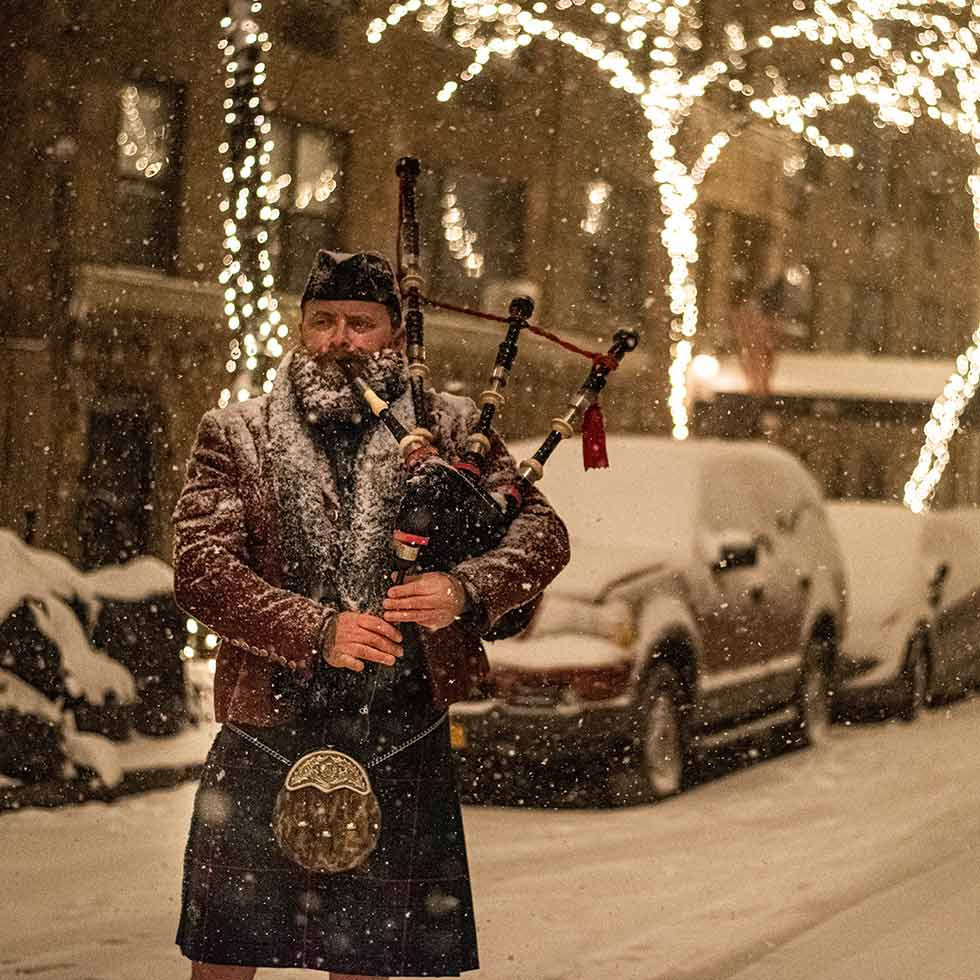
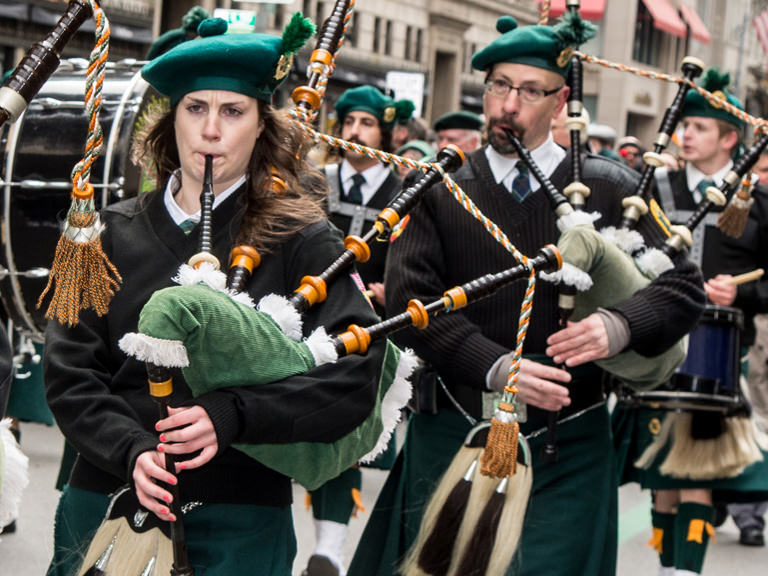
The NYC St. Patrick’s Day Parade dates back to March 17, 1762, when it was first organized by a group of homesick Irish immigrants and Irish military in the American colonies of NYC. Participants enjoyed  the freedom to speak Irish, wear the color green- which was banned in Ireland at the time, sing native songs, and play the bagpipe.

These things gave powerful meaning to those people who fled their homeland.

Join in the fun! Come to the St. Patrick’s Day Parade!

The NYC Parade is held on March 17th and begins precisely at 11:00 AM. The Parade marches up Fifth Avenue beginning at East 44th Street and ending at East 79th.  

Reference: CUNY Baruch: NYCdata | Uniquely NYC (cuny.edu)

  1. Homesick- adj the feeling of missing your home
  2. Banned-adj not allowed
Share this:

Winter Holidays Expressions!

Holidays times call for a holiday lesson on English idioms and phrases! It is likely that throughout December you will hear more idioms and phrases related to the upcoming winter holidays – Christmas, New Year’s, Chanukah, Diwali, and Kwanzaa.

Below is a list of 5 holiday expressions you might hear, with examples.

  1. Happy Holidays!

 This is a super common phrase that you’ve probably already heard!

 We usually say Happy Holidays in December because it includes everyone’s holidays in just one greeting! 

Instead of trying to figure out who does and doesn’t celebrate Christmas, Chanukah, Kwanzaa, Diwali and the New Year, you can simply say Happy Holidays to wish everyone a happy holiday!

When someone says Happy Holidays to you, you can respond with a cheery (1) “Thank you! Happy Holidays!”


  1. The more, the merrier!

This phrase is excellent if you love to host (2) parties with lots of people.

The more, the merrier is usually used in response to someone asking if they can invite an extra guest.

For example:

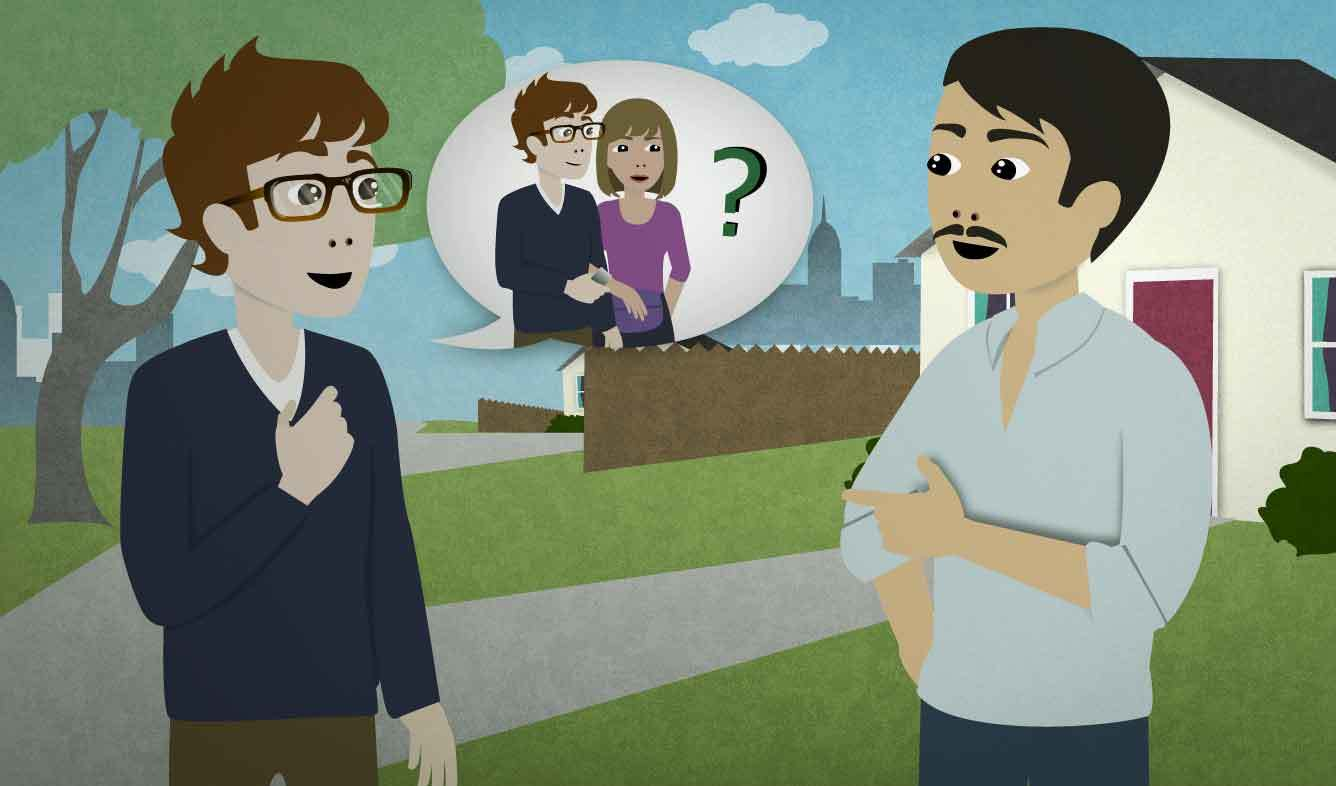
Christian: Alex, Thank you for inviting me to your New Year’s Eve party! Can I invite my boyfriend?

Alex: Yes of course! The more the merrier!


  1. A scrooge/a grinch

This phrase is based on 2 famous holiday stories. Both Scrooge and The Grinch are angry or grumpy (3) characters in the stories. 

If someone calls you a scrooge or a grinch, they are calling you an unkind person who hates the holidays!

For example: 

Izzy: Can we listen to Christmas music?

Tina: No, I hate Christmas music!

Izzy: Ugh! Don’t be such a grinch!

  1. Ring in the New Year!

To ring in the new year means to celebrate the end of the year and the beginning of the new year.

For example: I don’t want to go out on December 31st. I just want to ring in the new year with my friends and family this year! 

  1. Get into the holiday spirit!

Getting into the holiday spirit means that you finally feel excited about the holiday season. You feel the “spirit” or the energy of the holidays!

For example: I bought all of my Christmas gifts, and I watch a Christmas movie every night while I drink hot chocolate. I’m really getting into the holiday spirit!

Source: English Holiday Idioms, Expressions & Other Common Phrases – Ellii Blog

cheery (1) adj. happy 

to host (2) verb. to have guests over 

grumpy (3) adj.to be In a bad mood

Share this:

Fifth Avenue for All- Holiday Season in NYC!

Arguably, the best time of the year in NYC is here! It’s finally the holiday season. The holiday season in New York City is famous for many reasons. Visitors from all over the world come to see the famous Rockefeller Christmas tree, Rockette Christmas Spectacular, and window displays on Fifth Avenue.


With the excitement of the holidays, come large crowds. It can be hard to comfortably enjoy the holidays and the scenery within the small confines of the city blocks.

For this reason, the mayor is trying something new this year! The new open streets program, called Fifth Avenue for All, closes nine blocks, from 48th to 57th streets, on Dec. 4, Dec. 11 and Dec. 18. No cars will be allowed in that area on those days from noon to 6 p.m.

The goal, according to the association, is to provide a “one-of-a-kind holiday experience for families and sightseers of all ages” as the Big Apple looks to continue its post-pandemic recovery during the busiest shopping season of the year.

Don’t miss the oversized red holiday mailbox at 51st Street, which will collect letters to Santa. These letters will be mailed to “The North Pole” and sent replies.

Also coming to Fifth Avenue on those three Sundays: food kiosks, seating areas and live music.

Source:

5th Avenue Goes Car-Free From Rockefeller Center to 58th in December: What to Know – NBC New York

Share this: