A ‘Towering’ Triumph!

Vocabulary:

Nave – n., the large central part of a church

Towering – adj., very tall or very high

Funds – n., money 

Ongoing – adj., something that always happens

Daring – adj., very brave

Illicit – adj., against the law

Disorderly conduct –  n., behavior that is not peaceful

Trespass – v., to go onto private property without permission

Fondly – adv., with warm feelings

Close – n., the enclosed part of a cathedral

High-wire artist Philippe Petit will walk a tightrope across the nave of the Cathedral of St. John the Divine, in New York City, on Wednesday, August 7th, and again on the 8th. Grammy Award-winning musician Sting, a friend of Petit, will perform original music for the event.  The performance is called “Towering” and will raise funds for the Cathedral’s ongoing programs.

Petit, well-known for his daring high-wire walks around the world, is celebrating the 50th anniversary of his walk between the two towers of the World Trade Center in 1974.

Even though Petit was arrested for what came to be known as “the art crime of the century,” he has never stopped walking on wires. “If I see two towers, I have to walk,” he told The New York Times. Later he added, “Anything that is giant and man-made strikes me in an awesome way and calls me.”

The illicit walk took 45 minutes and Petit, who turns 75 next week, was arrested for disorderly conduct and criminal trespass, but today his act is remembered fondly, including as part of the 9/11 Memorial & Museum.

He has walked high wires all over the world, from the Sydney Harbor bridge in Australia, to the Eiffel Tower in Paris, and now, at 75 years old, he will celebrate the anniversary of this daring stunt in a place that holds great meaning for him – and is his spiritual home in New York.  It was the Reverend James Parks Morton, at the Cathedral in 1974, who requested Petit’s release from his arrest.  His daughter’s ashes are also at the Cathedral. When Morton retired at the end of 1996, Petit performed “Crescendo,” an aerial tribute on the cathedral’s close.

Photo source: https://millefiorifavoriti.blogspot.com/

Here is a video of another of Petit’s performances at the magnificent cathedral, his high-wire “Ribbon Walk” in February of 2024:

A visit to the cathedral is an amazing experience:

https://www.stjohndivine.org/visit

sources:

https://episcopalnewsservice.org/2024/08/07

https://www.nytimes.com/2024/08/06/opinion/philippe-petit-twin-towers.html?searchResultPosition=2


Share this:

September 8 is International Literacy Day

Today is International Literacy Day (ILD)! This special day started in 1967 to remind the public around the world about the importance of literacy and education as a human right. Promoting literacy means helping adults and young people unlock opportunities to a better future. ILD reminds us about the work we need to do for a more sustainable1 and equitable2 society.

UNESCO Video about International Literacy Day 2023

International Literacy Day (ILD) is an opportunity to honor those are dedicated to making literacy a reality for the many.

Read More »
Share this:

April is Arab American Heritage Month

From actors like Rami Malek and Tony Shalhoub, musicians such as French Montana and Shakira, to politicians such as George Kaseem and James Abourezk, Arabic Americans have contributed to the fabric (1) of American history and culture. 

Arab America and the Arab America Foundation launched the National Arab American Heritage Month initiative in 2017, with just a handful (2) of states participating.

In 2022, Congress, the U.S. Department of State, and 45 state governors issued proclamations commemorating the initiative.

Check out the video below to learn more about Arab American Heritage Month, why it’s so important, and how we can all be better Americans by learning about each other’s heritage!

Phrases: 

1. The fabric of (something) –   the basic structure of (something)

2. Just a handful- only a small amount

References: National Arab American Heritage Month – Arab America Foundation %

List of Arab and Middle Eastern Americans in the United States Congress – Wikipedia

Share this:

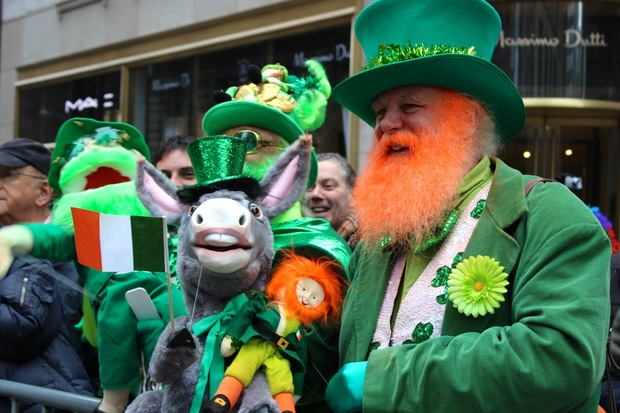
St. Patrick’s Day!

It’s almost St. Patrick’s Day in NYC!

Originally, St. Patrick’s Day began in Ireland as a Catholic holiday, but over the years it has grown into a festival of Irish culture. A week-long celebration of Irish music, theater, and visual arts takes place in many regions of Ireland. Family get-togethers are also important, as people sit down for a special meal. The feast of corned beef and cabbage, though, is an American tradition; in Ireland one is more likely to find bacon or a savory roast chicken on the table. 

Although the St. Patrick’s Day Parade has become a part of celebrations in Ireland these days, it’s the result of an American influence, where the tradition was created by homesick Irish immigrants. More recently, St. Patrick’s Day has become a highly marketable and promoted event in Ireland, resulting in an attractive draw for tourists visiting the country.

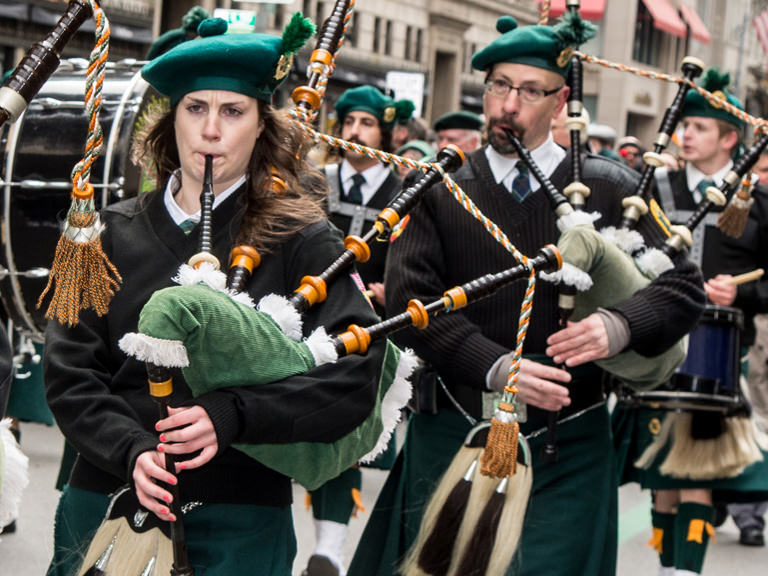
The NYC St. Patrick’s Day Parade dates back to March 17, 1762, when it was first organized by a group of homesick Irish immigrants and Irish military in the American colonies of NYC. Participants enjoyed  the freedom to speak Irish, wear the color green- which was banned in Ireland at the time, sing native songs, and play the bagpipe.

These things gave powerful meaning to those people who fled their homeland.

Join in the fun! Come to the St. Patrick’s Day Parade!

The NYC Parade is held on March 17th and begins precisely at 11:00 AM. The Parade marches up Fifth Avenue beginning at East 44th Street and ending at East 79th.  

Reference: CUNY Baruch: NYCdata | Uniquely NYC (cuny.edu)

  1. Homesick- adj the feeling of missing your home
  2. Banned-adj not allowed
Share this:

Loisaida

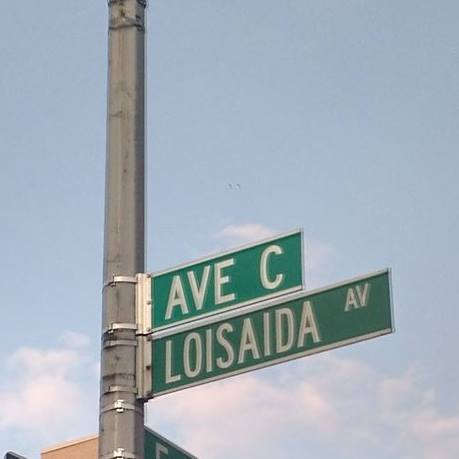
‘Loisaida’ is the NYC neighborhood at the root of powerful movements.

While walking through the Lower East Side, did you ever notice the other name for Avenue C?

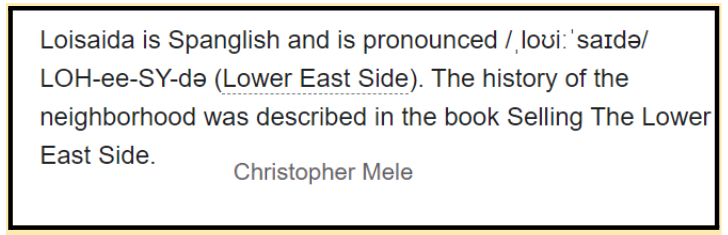
If you’re Puerto Rican or have lived in NYC for long enough to see the neighborhood change, you may have a soft spot for the word, “ Loisaida”.

Say it slowly. What downtown New York City neighborhood does it sound like?

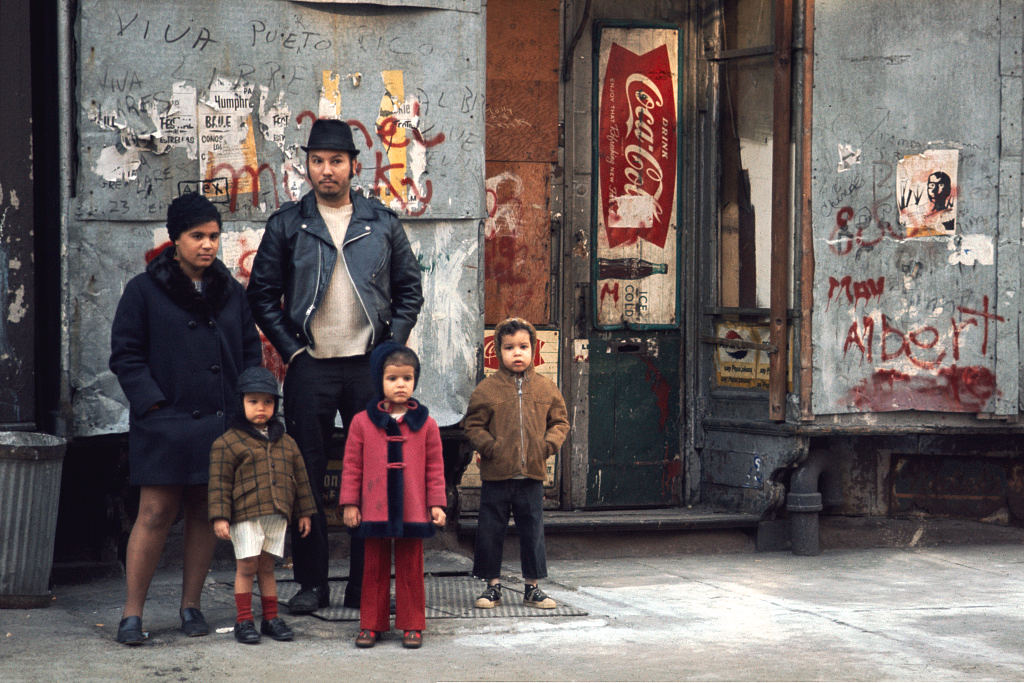
Before The Lower East Side (LES) was a shopping and restaurant area mostly for university students, the Manhattan neighborhood was a working-class neighborhood for immigrants from across the world. In the mid-1900s, the Latinos who lived there called it “Loisaida”. Puerto Ricans and other working-class people made Loisaida a place for activism in New York City from the 1940s to the 1990s. 

Activist groups tried to improve the lives of residents in the neighborhood by leading protests and mass building squats. Locals also created spaces for the community, like gardens and restaurants. These actions along with art that brought Latinos together helped form national cultural pride. This created the The “Nuyorican” identity (preferred by some Puerto Ricans from New York), 

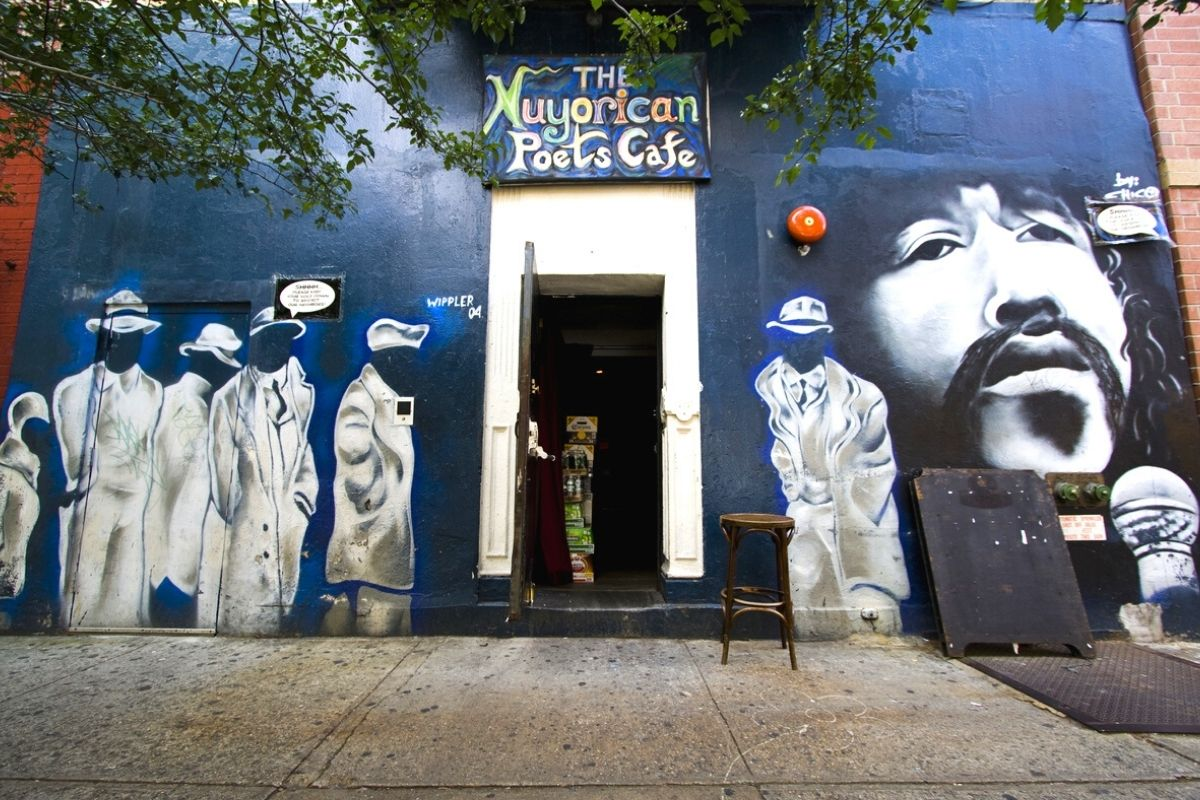
Have you heard of the Nuyorican Poets Café, opened in 1973? Many Latino artists, like poet, Aja Monet and actress, Rosario Dawson performed here!

Today LES has the second-highest income inequality gap in Manhattan. As the neighborhood becomes unaffordable, Latino families who once lived well there are being pushed out. 


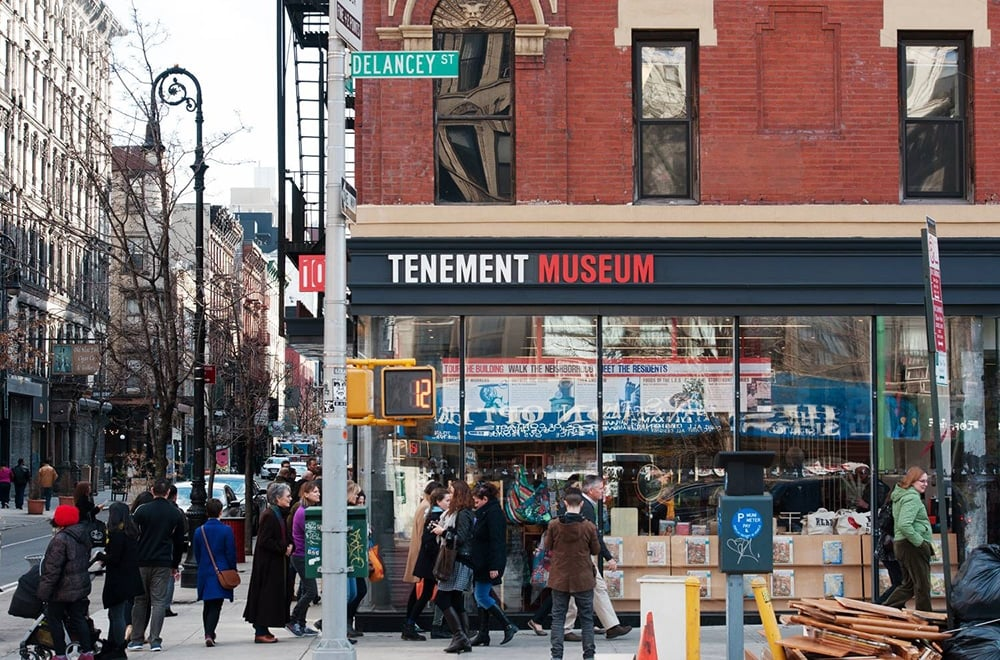
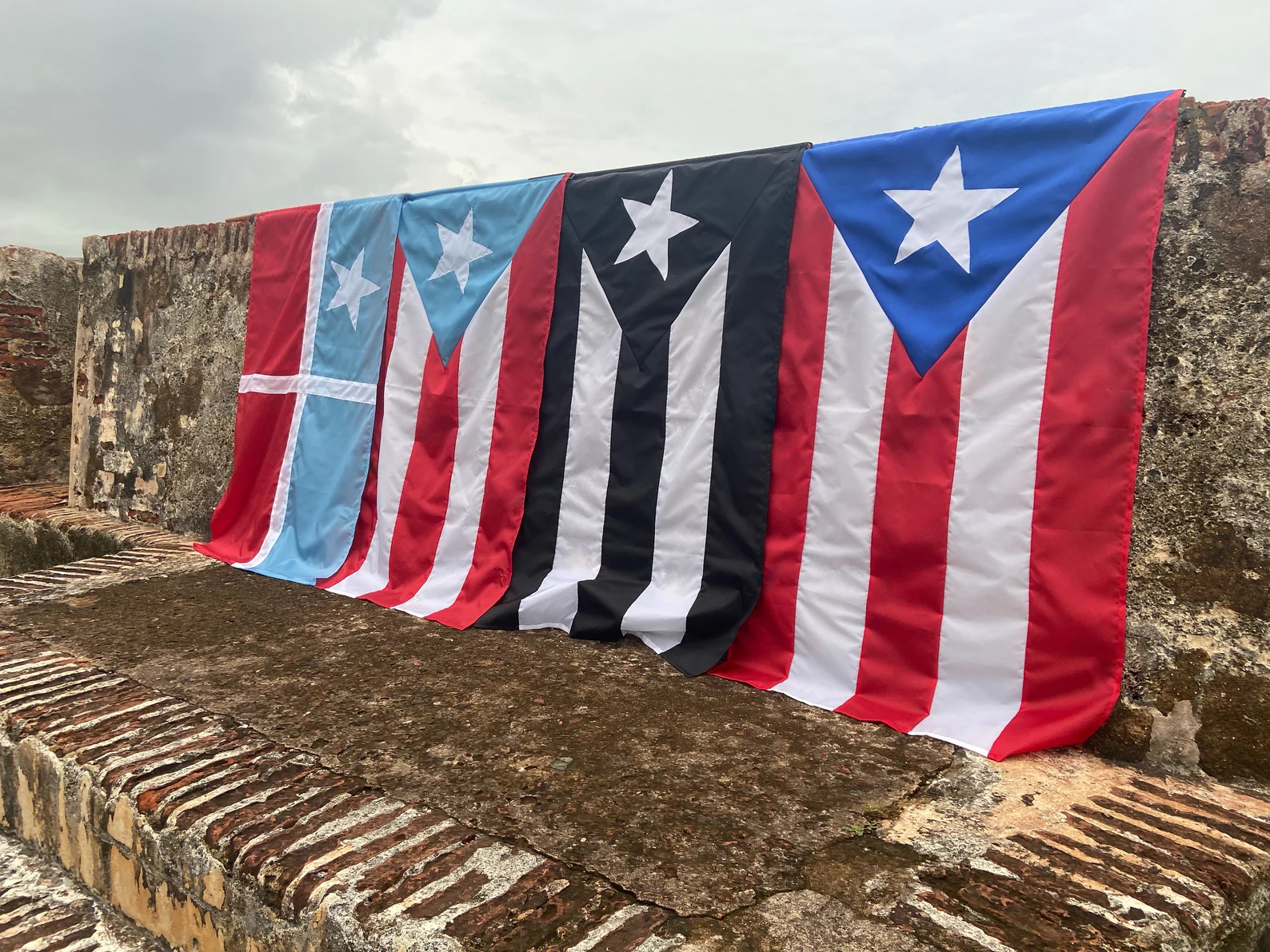
Thankfully, some cultural hubs, like Loisaida Center and Tenement Museum, still exist and remind us of the Latino influence that helped strengthen Latino movements for justice, such as the creation of the modern Puerto Rican Flag! 

Check out next week’s blog to learn more about the influence of the Lower East Side on the history of Puerto Rico!


Soft spot- noun- to like something or someone a lot.
Income inequality gap- noun– income = money, inequality= unequal, gap= space
Unaffordable- adjective– expensive, not easy to buy
Hub- noun – a place that is a center of a particular activity 
Activism – Noun– social or political change 
To squat – Verb – living in a building without the legal right to do so 

Resources: 

  1. ‘Loisaida’ is the NYC neighborhood at the root of powerful movements – Pulso (projectpulso.org)
  2. A Spoken History Of The Nuyorican Poets Cafe – Latino USA
  3. Cambridge Learner’s Dictionary: Definitions & Meanings
Share this:

Madison Square Garden!

The World’s Most Famous Arena – Madison Square Garden (MSG)

Did you know that the famous arena, MSG, hasn’t always been in its current location on 34th street?

Did you know that it could move again?

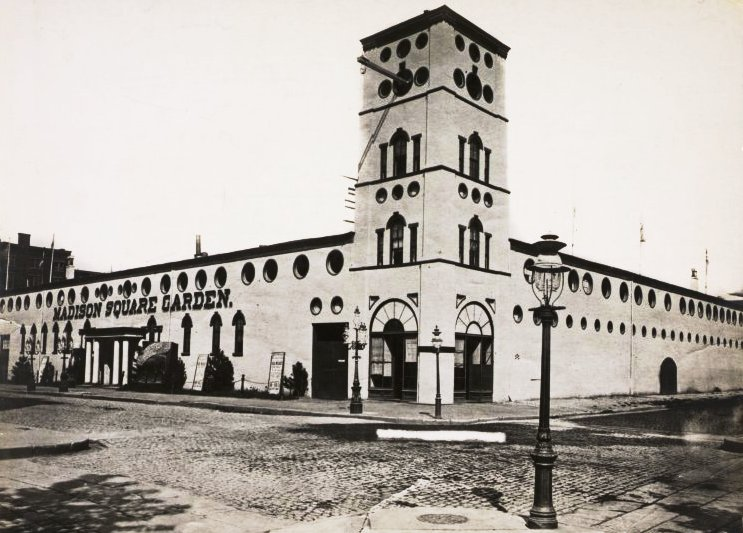
Before the current day Madison Square Garden, which was completed in 1968, there were actually three other Madison Square Gardens.

The construction of the original Madison Square Garden was  completed, and MSG I was open for business in Manhattan  in 1871.However, it wasn’t open for long before a new Madison Square Garden was built.

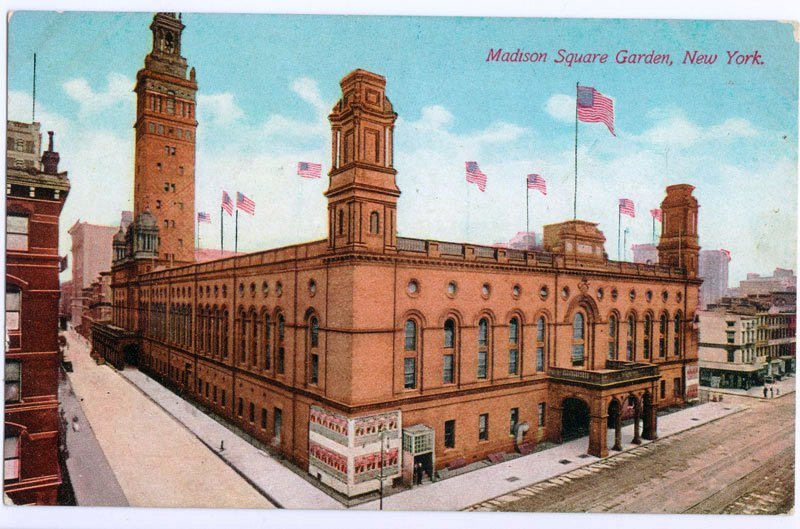
In 1890 the second Madison Square Garden opened on the same site as the original.  Once again, this Madison Square Garden was not open for long before yet another Garden was built, now the third different Madison Square Garden within 60 years. 

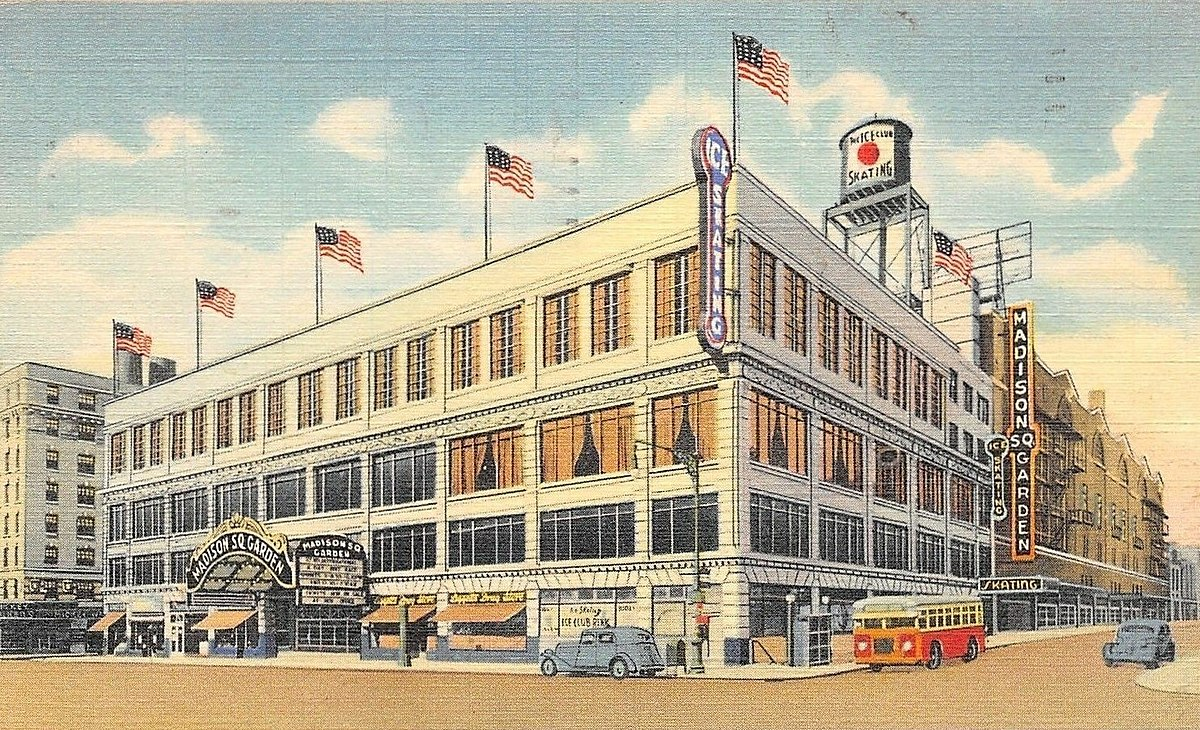
The third Madison Square Garden, completed in 1925, took under a year to build.


Madison Square Garden III was the first Madison Square Garden that was not located near Madison Square Park, It was located on Eighth Avenue between 49th and 50th Streets in Manhattan.  People from all over came to see Madison Square Garden for sports and entertainment, like the prior ones, but this Garden became extremely popular very quickly.

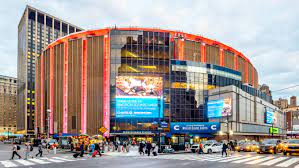
Lastly, the current day Madison Square Garden opened in 1968.  All of the Madison Square Gardens had a big impact on the culture of New York City, even though they were not all on the same site. The MSG that we know today has a lease that expires this year- in 2023! There have been talks about whether it will move, but so far, no decision has been made. Who knows? Maybe the next MSG will be in the Lower East Side!

Resources: 

Madison Square Garden (1925) – Wikipedia

Madison Square Garden – History of New York City (shu.edu)

Madison Square Garden Facts & History | MSG | Official Site

Share this: