There was plenty of good cheer, food, and fun at the University Settlement’s Holiday Parties this year. The Daytime and the Evening classes contributed dazzling dishes from their home countries. The music, the festive decorations, and the games added to the fun. Both teachers and students celebrated the winter holiday season and had an excellent time together!
Setting up for our Daytime students was as much fun…
…as the party!
We played games to see who would eat first:
and then we ate!
Waiting to eat.
Abby and her students:
What’s a party without presents and reindeer?
And Joe and Christine celebrated with their students!
You may feel that you do not have much money or power, but in the voting booth, your choice is equal to everyone else’s. As an American citizen, you are able to make your voice heard about what really matters to you.
Reasons to Vote:
■ You care about clean air and clean water. The government makes laws that can protect or hurt the environment.
■ You have family members in another country who want to move to the U.S. The government makes rules about who can move here and how easy it is.
■ You are in school or have children in school. You want the school to provide a good education. The government makes rules about teacher training, programs, and testing. It decides what kinds of programs receive funding.
■ You are looking for a job that offers a good wage and job security. The government guides the economy. That affects how easy it is to find a job, how much companies can pay workers, and what benefits companies must provide.
Where?
On Election Day, people vote in different sorts of places. Your voting site might be a school, a church, a community center, a fire station, or another neighborhood building. You must go to the correct polling place. The place you go to vote will depend on where you live.
After you register to vote, you will receive a card confirming your registration and indicating your polling place.
How?
Firstly, inform yourself. Watch television, read newspapers, and explore the internet to learn how the candidates stand on issues that are important to you.
Here are some useful links:
■ Rock the Votewww.rockthevote.org Targeted towards younger voters, this site seeks to inspire and inform on building political power in young people.
■ Vote 411 www.vote411.org Countrywide, personalized information on candidates and where they stand on what you’re voting for.
■ Project Vote Smart www.votesmart.org Free, factual information on candidates in simplified, straightforward language.
Watch debates, watch television, read newspapers, and consult with trusted experts.
For fascinating fun and a bit of history, this site has information, explanations, and ads going back to the beginning of televised election commercials.
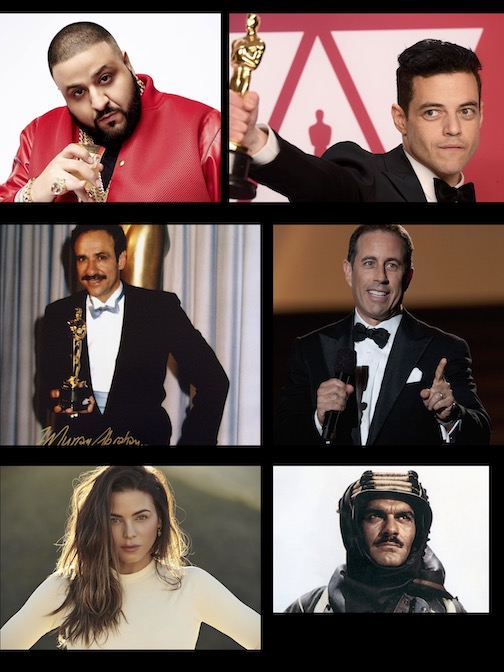
From actors like Rami Malek and Tony Shalhoub, musicians such as French Montana and Shakira, to politicians such as George Kaseem and James Abourezk, Arabic Americans have contributed to the fabric (1) of American history and culture.
Arab America and the Arab America Foundation launched the National Arab American Heritage Month initiative in 2017, with just a handful (2) of states participating.
In 2022, Congress, the U.S. Department of State, and 45 state governors issued proclamations commemorating the initiative.
Check out the video below to learn more about Arab American Heritage Month, why it’s so important, and how we can all be better Americans by learning about each other’s heritage!
Phrases:
1. The fabric of (something) – the basic structure of (something)
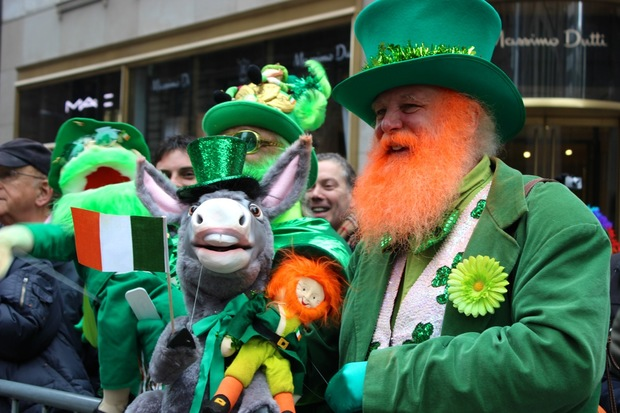
Originally, St. Patrick’s Day began in Ireland as a Catholic holiday, but over the years it has grown into a festival of Irish culture. A week-long celebration of Irish music, theater, and visual arts takes place in many regions of Ireland. Family get-togethers are also important, as people sit down for a special meal. The feast of corned beef and cabbage, though, is an American tradition; in Ireland one is more likely to find bacon or a savory roast chicken on the table.
Although the St. Patrick’s Day Parade has become a part of celebrations in Ireland these days, it’s the result of an American influence, where the tradition was created by homesick Irish immigrants. More recently, St. Patrick’s Day has become a highly marketable and promoted event in Ireland, resulting in an attractive draw for tourists visiting the country.
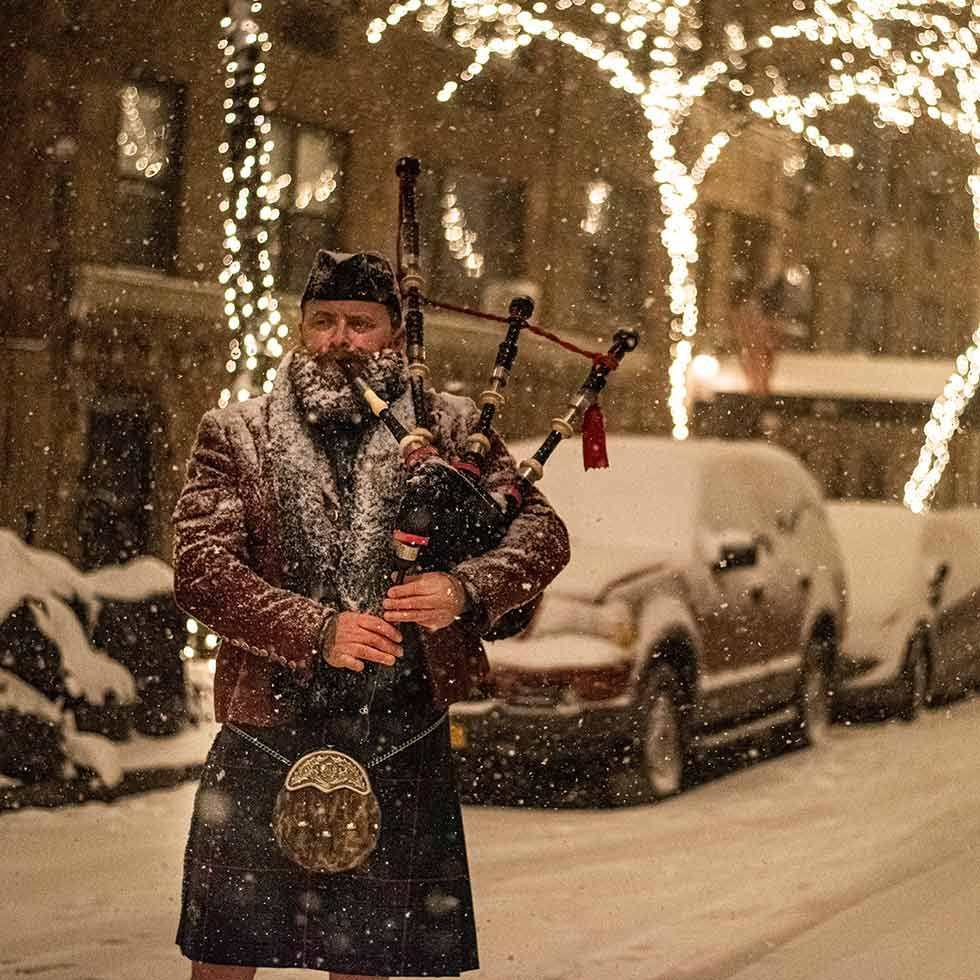
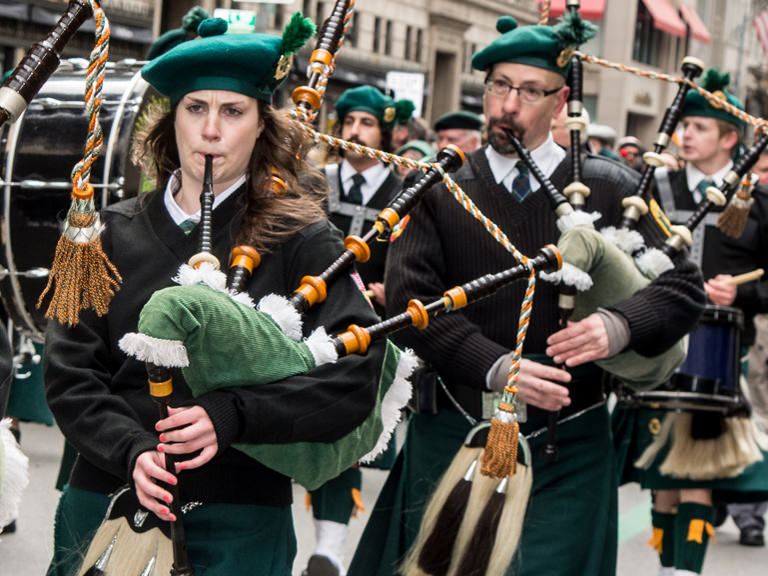
The NYC St. Patrick’s Day Parade dates back to March 17, 1762, when it was first organized by a group of homesick Irish immigrants and Irish military in the American colonies of NYC. Participants enjoyed the freedom to speak Irish, wear the color green- which was banned in Ireland at the time, sing native songs, and play the bagpipe.
These things gave powerful meaning to those people who fled their homeland.
Join in the fun! Come to the St. Patrick’s Day Parade!
The NYC Parade is held on March 17th and begins precisely at 11:00 AM. The Parade marches up Fifth Avenue beginning at East 44th Street and ending at East 79th.
The World’s Most Famous Arena – Madison Square Garden (MSG)
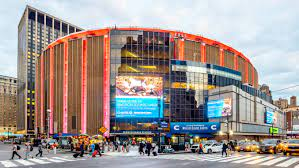
Did you know that the famous arena, MSG, hasn’t always been in its current location on 34th street?
Did you know that it could move again?
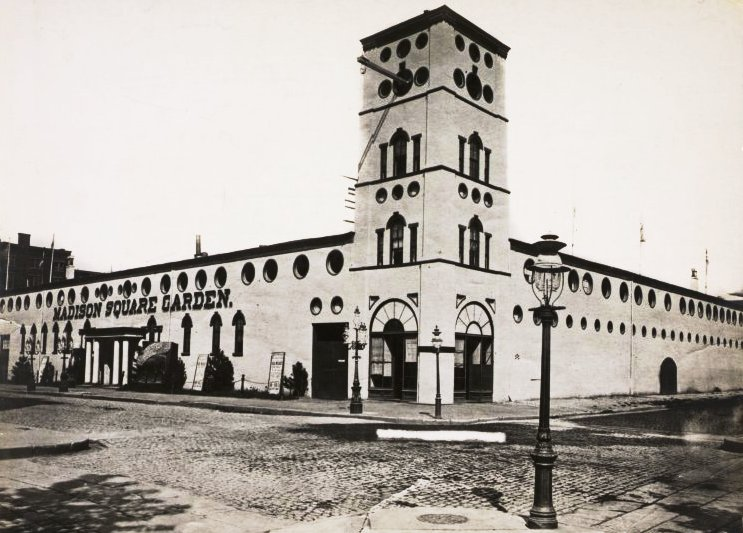
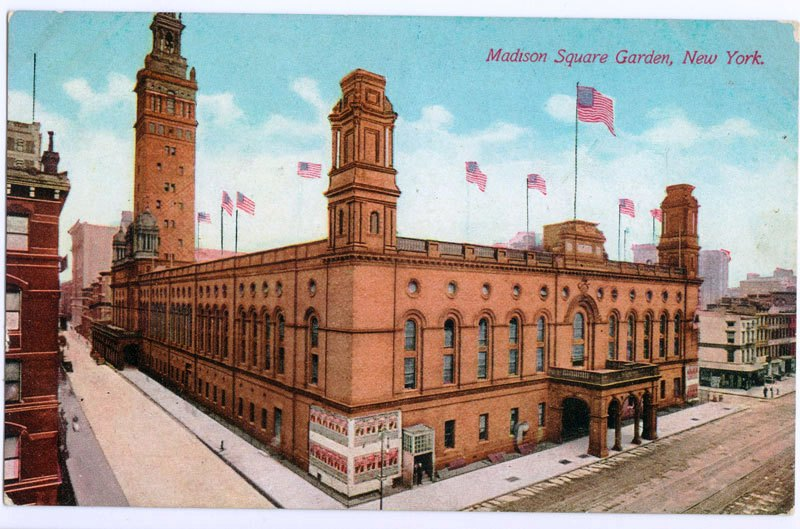
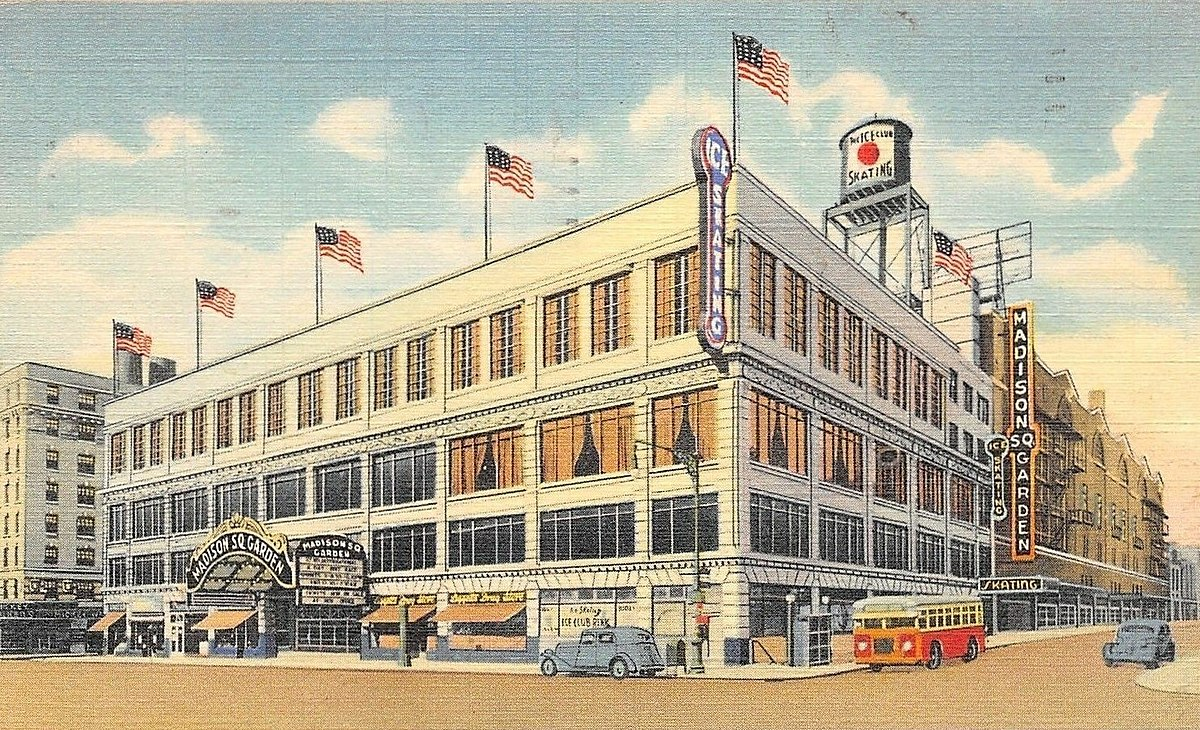
Before the current day Madison Square Garden, which was completed in 1968, there were actually three other Madison Square Gardens.
The construction of the original Madison Square Garden was completed, and MSG I was open for business in Manhattan in 1871.However, it wasn’t open for long before a new Madison Square Garden was built.
In 1890 the second Madison Square Garden opened on the same site as the original. Once again, this Madison Square Garden was not open for long before yet another Garden was built, now the third different Madison Square Garden within 60 years.
The third Madison Square Garden, completed in 1925, took under a year to build.
Madison Square Garden III was the first Madison Square Garden that was not located near Madison Square Park, It was located on Eighth Avenue between 49th and 50th Streets in Manhattan. People from all over came to see Madison Square Garden for sports and entertainment, like the prior ones, but this Garden became extremely popular very quickly.
Lastly, the current day Madison Square Garden opened in 1968. All of the Madison Square Gardens had a big impact on the culture of New York City, even though they were not all on the same site. The MSG that we know today has a lease that expires this year- in 2023! There have been talks about whether it will move, but so far, no decision has been made. Who knows? Maybe the next MSG will be in the Lower East Side!
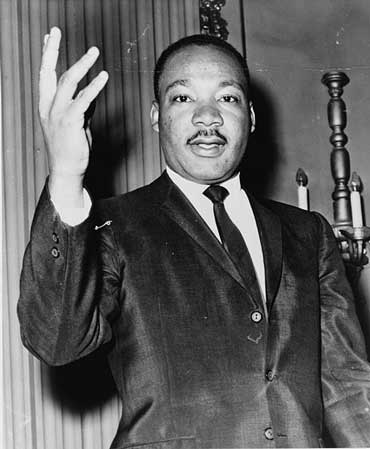
It is an American holiday to celebrate the birthday of Dr. Martin Luther King Jr.
King was born on January 15, 1929, in Atlanta, Georgia.
Who was Martin Luther King Jr.?
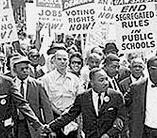
Dr. Martin Luther King Jr. was born in Atlanta, Georgia in the United States in 1929. At that time in America, black people didn’t have the same rights as white people. Black people had to sit in the back of buses. The schools were separated by skin color and there were even separate public restrooms for black people and white people. This was called segregation. Black people’s lives were not very good.
Martin Luther King Jr. was a minister in the Baptist Church. He fought against racial segregation. He wanted equal rights for all people, but he didn’t use violence in his fight. He asked people to fight peacefully. For example, he asked black people to ride in the front of the bus. More than 200,000 people went to Washington D.C. to listen to him speak and ask the government to change unfair laws.
Because of Martin Luther King Jr., many laws began to change in the United States. But many white people disagreed with him and his ways. In 1968, Martin Luther King Jr. was assassinated(1) by a white man.
Dr. King was assassinated in 1968. Just 15 years later, in 1983, then President Ronald Reagan signed this holiday into U.S. law. People first observed(2) the holiday three years later, in 1986. At first, the holiday was not popular with all American states. Some didn’t like the name and so they called it “Civil Rights Day”. However, in the year 2000, all 50 states observed the holiday using its correct name. The musician, Stevie Wonder helped the campaign(3) for the holiday. He released(4) a famous song called “Happy Birthday” in 1980. The song made millions of Americans aware of the campaign. Six million people signed a petition(5) for the American Congress to create the holiday. It is still the largest petition in U.S. history in favor of an issue.
Check out Stevie Wonder’s Happy Birthday song here!
Many African-Americans also sing this song during birthday celebrations!
Holidays times call for a holiday lesson on English idioms and phrases! It is likely that throughout December you will hear more idioms and phrases related to the upcoming winter holidays – Christmas, New Year’s, Chanukah, Diwali, and Kwanzaa.
Below is a list of 5 holiday expressions you might hear, with examples.
Happy Holidays!
This is a super common phrase that you’ve probably already heard!
We usually say Happy Holidays in December because it includes everyone’s holidays in just one greeting!
Instead of trying to figure out who does and doesn’t celebrate Christmas, Chanukah, Kwanzaa, Diwali and the New Year, you can simply say Happy Holidays to wish everyone a happy holiday!
When someone says Happy Holidays to you, you can respond with a cheery (1) “Thank you! Happy Holidays!”
The more, the merrier!
This phrase is excellent if you love tohost (2) parties with lots of people.
The more, the merrier is usually used in response to someone asking if they can invite an extra guest.
For example:
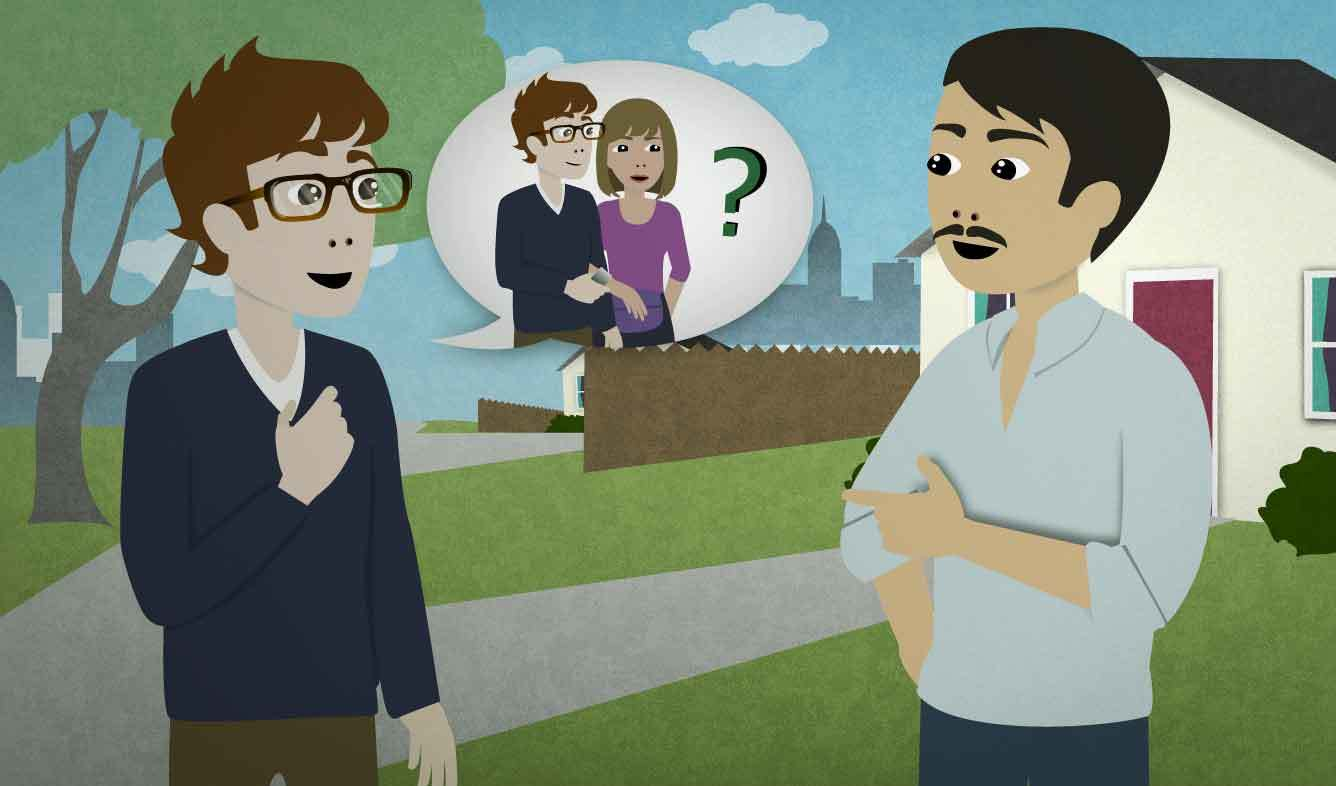
Christian: Alex, Thank you for inviting me to your New Year’s Eve party! Can I invite my boyfriend?
Alex: Yes of course! The more the merrier!
A scrooge/a grinch
This phrase is based on 2 famous holiday stories. Both Scrooge and The Grinch are angry or grumpy (3) characters in the stories.
If someone calls you a scrooge or a grinch, they are calling you an unkind person who hates the holidays!
For example:
Izzy: Can we listen to Christmas music?
Tina: No, I hate Christmas music!
Izzy: Ugh! Don’t be such a grinch!
Ring in the New Year!
To ring in the new year means to celebrate the end of the year and the beginning of the new year.
For example: I don’t want to go out on December 31st. I just want to ring in the new year with my friends and family this year!
Get into the holiday spirit!
Getting into the holiday spirit means that you finally feel excited about the holiday season. You feel the “spirit” or the energy of the holidays!
For example: I bought all of my Christmas gifts, and I watch a Christmas movie every night while I drink hot chocolate. I’m really getting into the holiday spirit!