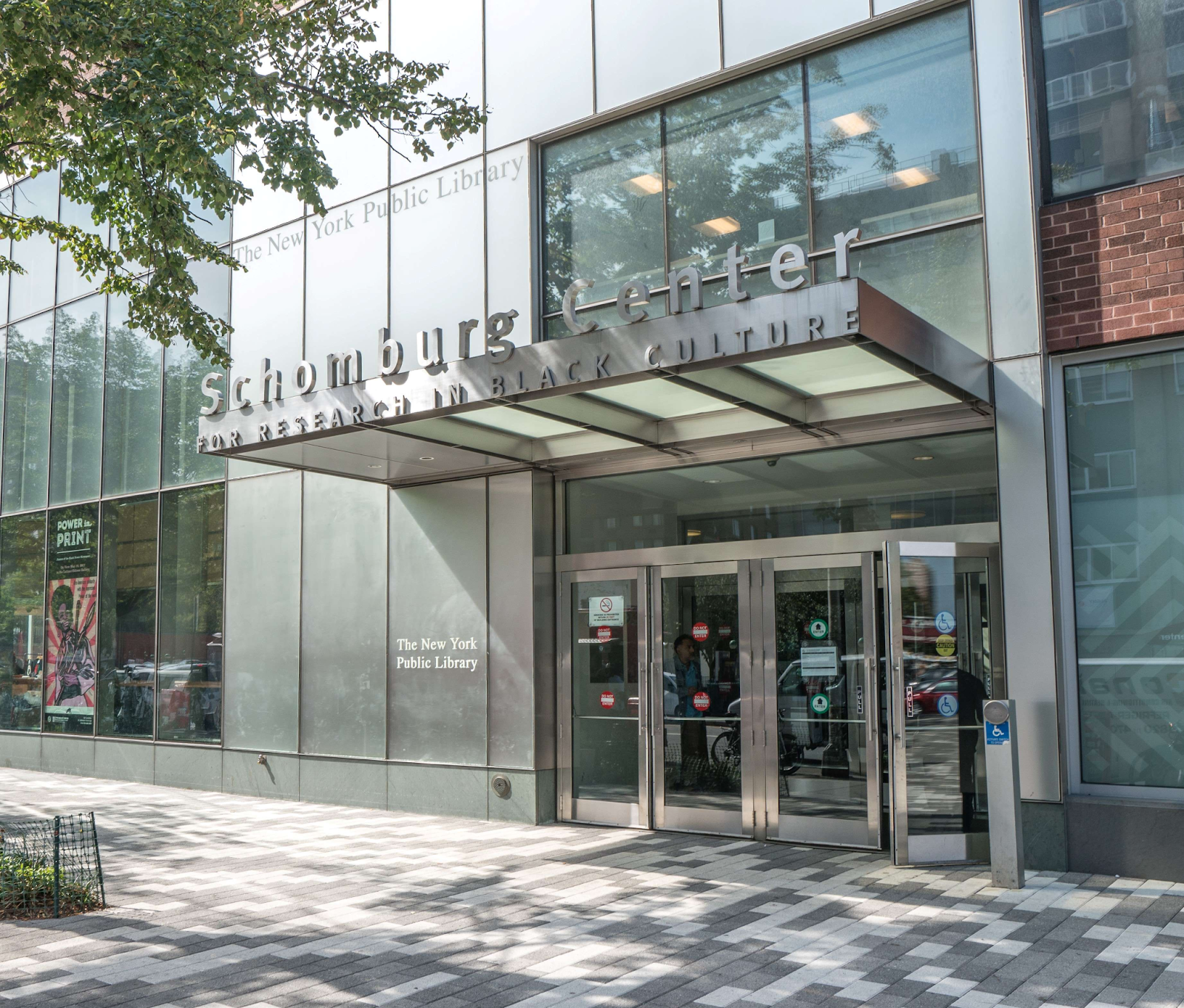
Black History in NYC!
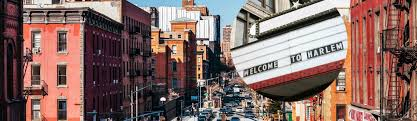
If you ever go north of 110th street, you may notice that Manhattan changes culturally. There are fewer popular stores and more family owned businesses. You’ll find streets named after famous Black and Latino Americans. This is because from 110th street to about 155th street on the west side, there is an African-American and Black cultural hub. You’ll see Black families from different parts of Africa, the Caribbean, and the US. For over 100 years, Harlem has been a mecca for Black culture in the United States.
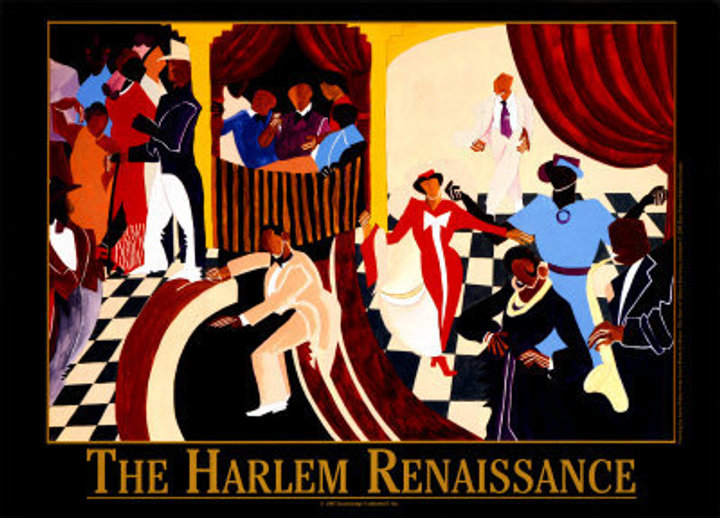
This began with the Harlem Renaissance in the early 1920’s.
The Harlem Renaissance was incredibly important in American history because of the explosion of art, music, and culture created by African-Americans. During this time period, there were not many places in the United States that African-Americans could feel safe. The Harlem Renaissance is called the rebirth of African-American culture because many African-Americans from the south moved to Harlem to express themselves.
Check out this video about the history of Harlem and the movement of African-Americans to Harlem.
The next time you find yourself uptown (above 110th street) check our traditional African-American restaurants such as Melba’s, Jacob’s, or Uptown Veg (for vegans and vegetarians).
When your stomach is full of delicious food, take a trip to the Arturo Schomburg Center for Black Research and learn about African-American and Afro-Latino culture from an exhibit.
It’s free and worth the trip!