For many of us, summer is the time when we have more time for ourselves. No classes, no rushed schedule of school, kids and work. Things move at a slower pace, maybe it’s the heat of a NYC summer, but maybe it’s just all of us taking the time to slow down a little, a change from the busy-ness of the rest of the year. What’s better to do with this found time than read a book? Or read several books?
First things first! Get a library card!
If you’re 13 or older, and live, work, attend, or pay property taxes in NY State, you are eligible for a card. Your card can be physical or digital.
If you prefer to complete the application for a physical library card in person, please visit an NYPL location with proof of ID and address. Find a location near you.
The New York Public Library even has a special card for this year!
With thanks to the New York Times, University Settlement has prepared a reading challenge list:
📖 ☐ Read a really short book. 📘 ☐ Read a really long book. 🕵️ ☐ Read a mystery book. 🎬 ☐ Read a book that’s been adapted for a movie. ☀️ ☐ Read a book that takes place in the summer. 🎧 ☐ Listen to an audiobook.
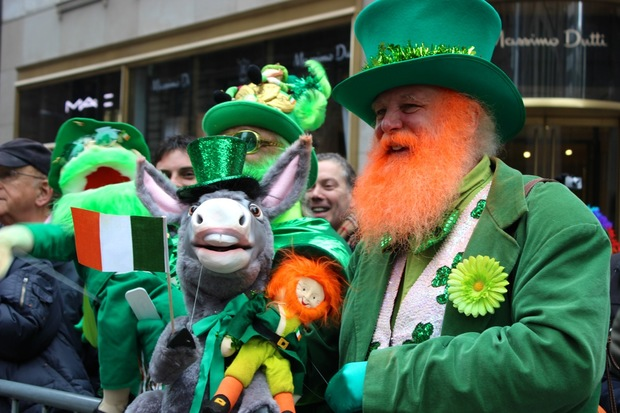
Originally, St. Patrick’s Day began in Ireland as a Catholic holiday, but over the years it has grown into a festival of Irish culture. A week-long celebration of Irish music, theater, and visual arts takes place in many regions of Ireland. Family get-togethers are also important, as people sit down for a special meal. The feast of corned beef and cabbage, though, is an American tradition; in Ireland one is more likely to find bacon or a savory roast chicken on the table.
Although the St. Patrick’s Day Parade has become a part of celebrations in Ireland these days, it’s the result of an American influence, where the tradition was created by homesick Irish immigrants. More recently, St. Patrick’s Day has become a highly marketable and promoted event in Ireland, resulting in an attractive draw for tourists visiting the country.
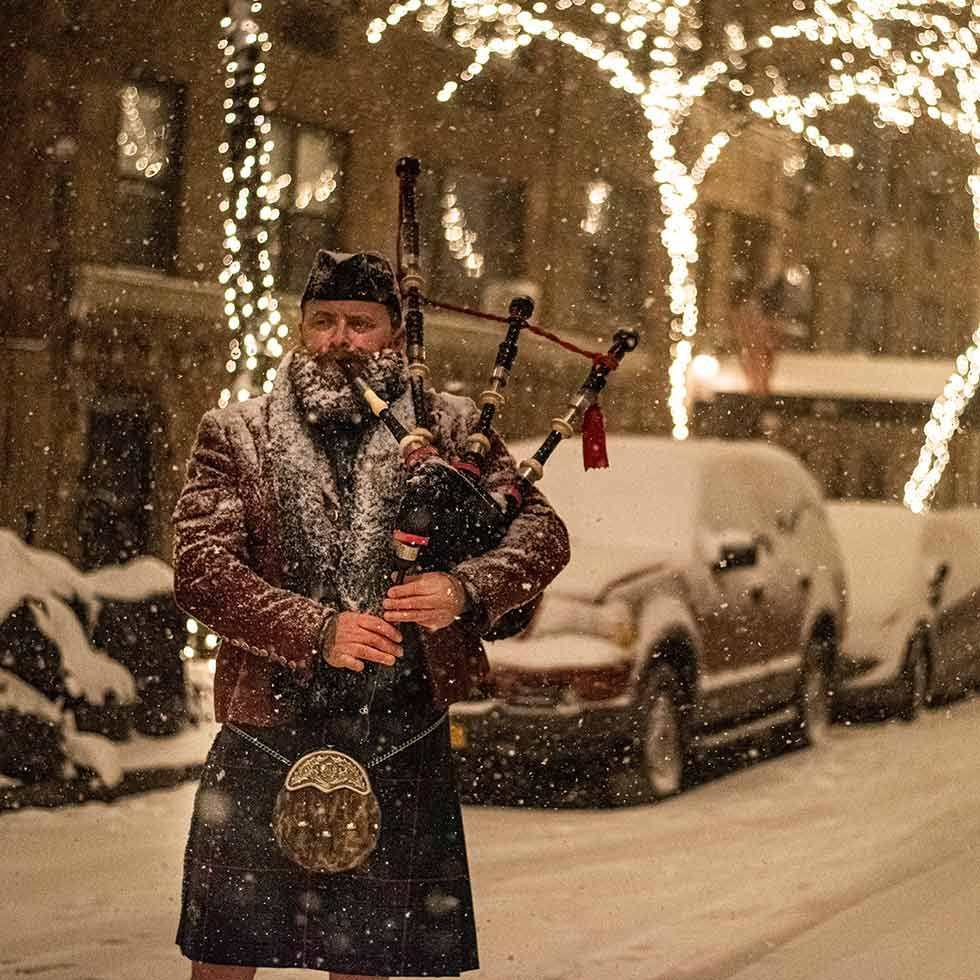
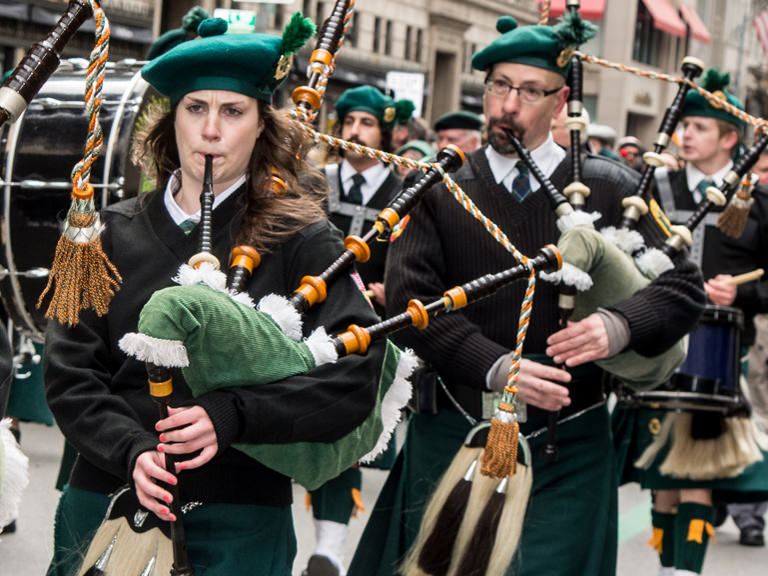
The NYC St. Patrick’s Day Parade dates back to March 17, 1762, when it was first organized by a group of homesick Irish immigrants and Irish military in the American colonies of NYC. Participants enjoyed the freedom to speak Irish, wear the color green- which was banned in Ireland at the time, sing native songs, and play the bagpipe.
These things gave powerful meaning to those people who fled their homeland.
Join in the fun! Come to the St. Patrick’s Day Parade!
The NYC Parade is held on March 17th and begins precisely at 11:00 AM. The Parade marches up Fifth Avenue beginning at East 44th Street and ending at East 79th.
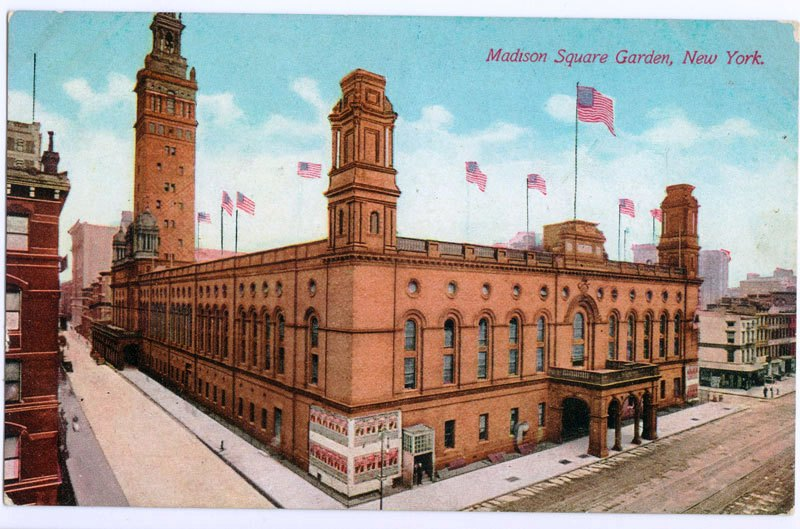
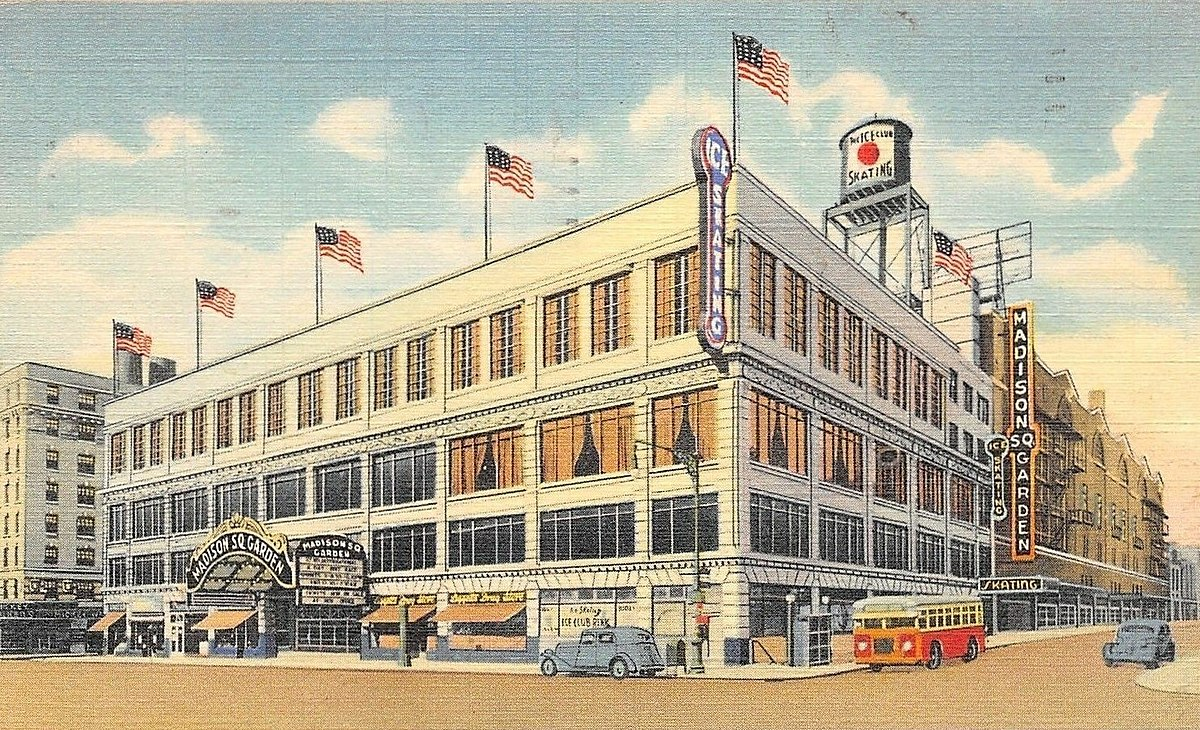
The World’s Most Famous Arena – Madison Square Garden (MSG)
Did you know that the famous arena, MSG, hasn’t always been in its current location on 34th street?
Did you know that it could move again?
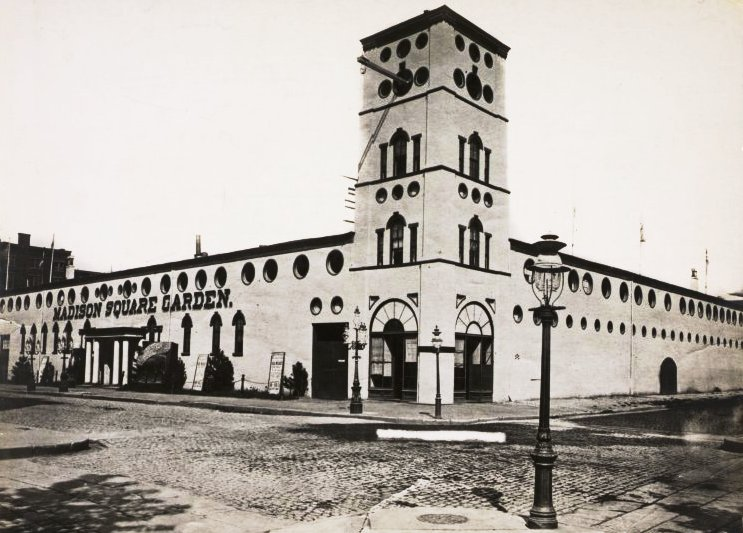
Before the current day Madison Square Garden, which was completed in 1968, there were actually three other Madison Square Gardens.
The construction of the original Madison Square Garden was completed, and MSG I was open for business in Manhattan in 1871.However, it wasn’t open for long before a new Madison Square Garden was built.
In 1890 the second Madison Square Garden opened on the same site as the original. Once again, this Madison Square Garden was not open for long before yet another Garden was built, now the third different Madison Square Garden within 60 years.
The third Madison Square Garden, completed in 1925, took under a year to build.
Madison Square Garden III was the first Madison Square Garden that was not located near Madison Square Park, It was located on Eighth Avenue between 49th and 50th Streets in Manhattan. People from all over came to see Madison Square Garden for sports and entertainment, like the prior ones, but this Garden became extremely popular very quickly.
Lastly, the current day Madison Square Garden opened in 1968. All of the Madison Square Gardens had a big impact on the culture of New York City, even though they were not all on the same site. The MSG that we know today has a lease that expires this year- in 2023! There have been talks about whether it will move, but so far, no decision has been made. Who knows? Maybe the next MSG will be in the Lower East Side!
It is an American holiday to celebrate the birthday of Dr. Martin Luther King Jr.
King was born on January 15, 1929, in Atlanta, Georgia.
Who was Martin Luther King Jr.?
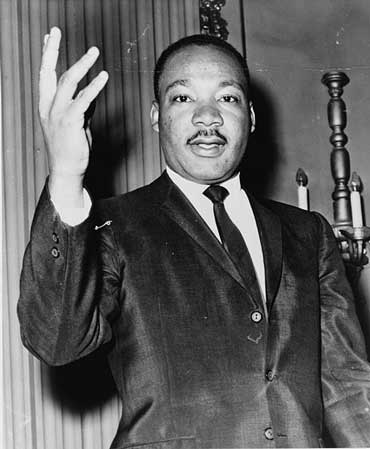
Dr. Martin Luther King Jr. was born in Atlanta, Georgia in the United States in 1929. At that time in America, black people didn’t have the same rights as white people. Black people had to sit in the back of buses. The schools were separated by skin color and there were even separate public restrooms for black people and white people. This was called segregation. Black people’s lives were not very good.
Martin Luther King Jr. was a minister in the Baptist Church. He fought against racial segregation. He wanted equal rights for all people, but he didn’t use violence in his fight. He asked people to fight peacefully. For example, he asked black people to ride in the front of the bus. More than 200,000 people went to Washington D.C. to listen to him speak and ask the government to change unfair laws.
Because of Martin Luther King Jr., many laws began to change in the United States. But many white people disagreed with him and his ways. In 1968, Martin Luther King Jr. was assassinated(1) by a white man.
Dr. King was assassinated in 1968. Just 15 years later, in 1983, then President Ronald Reagan signed this holiday into U.S. law. People first observed(2) the holiday three years later, in 1986. At first, the holiday was not popular with all American states. Some didn’t like the name and so they called it “Civil Rights Day”. However, in the year 2000, all 50 states observed the holiday using its correct name. The musician, Stevie Wonder helped the campaign(3) for the holiday. He released(4) a famous song called “Happy Birthday” in 1980. The song made millions of Americans aware of the campaign. Six million people signed a petition(5) for the American Congress to create the holiday. It is still the largest petition in U.S. history in favor of an issue.
Check out Stevie Wonder’s Happy Birthday song here!
Many African-Americans also sing this song during birthday celebrations!